
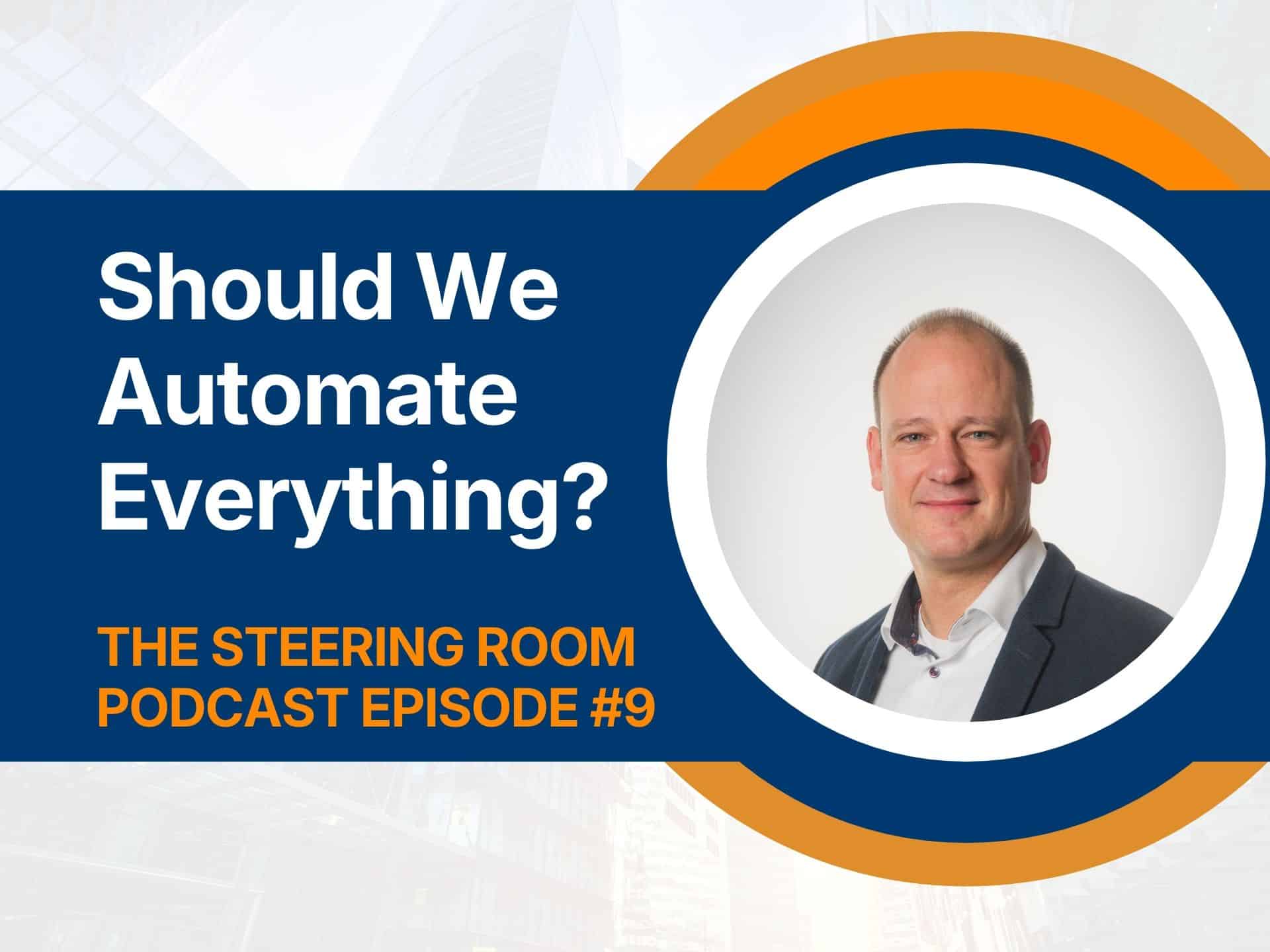
AI is taking over more of the routine work in finance: collecting data, reconciling numbers, building the standard report. In the first episode of our FP&A series, Christian Barte, CEO of Centida and a former CFO, looked at what that means for the controller’s job. In this second episode, he turns to the other side: what AI can’t do.
It is a question that matters more than it seems. When a technology can do almost anything with numbers, the value of finance shifts to what remains — judgment, trust, and decisions people have to own.
The controller of the future
If AI handles the reporting, what is left for the controller? The role moves from producing numbers to working with the people behind them: sales, operations and the owner. That shift asks for different skills — explaining, challenging, convincing.
In practice, it means less time in the back room and more time in the conversations where numbers get challenged and decisions get made. For many controllers, that is a bigger change than learning a new tool.
Can AI end the arguments?
Anyone who has worked in a mid-sized company knows the scene. Sales has one number, operations another, finance a third. Each department protects its own position, and the monthly meeting turns into a debate about whose figure is right.
A better model can make the numbers more consistent. But agreeing on one plan is a question of trust, ownership and incentives. Christian discusses whether AI can settle those arguments — or whether that part stays with people.
The owner’s gut feeling versus the model
In many Mittelstand companies, the owner has run the business successfully for decades, often on instinct. What happens when a model says something different? Is the gut feeling an outdated habit, or experience that no model can capture? It is one of the more uncomfortable questions in the series, and one many finance leaders face in practice.
Planning when the world keeps changing
Tariffs, energy prices, supply disruptions and new competitors make plans outdated quickly. Long annual planning cycles struggle to keep up. The episode looks at how a finance team stays useful when the assumptions behind the plan change several times a year, and where AI helps it respond faster.
Where AI should, and shouldn’t, be used
The conversation also becomes more personal. At 50, Christian reflects on the world he wants to leave to his children, and on whether AI should really be used for everything. He also explains why he sees market concentration as a risk — a theme that connects to The AI Reality Check series, where dependency on a small number of AI providers came up again and again.
Why this matters for finance leaders
For a CFO or head of controlling, the practical takeaway is not to slow down AI. It is to be clear about where people add value, and to protect and develop exactly those skills in the team. That starts with an honest look at the team: who already works closely with the business, who prefers to stay with the numbers, and what support each of them needs. The routine will be automated. Judgment, relationships and responsibility will not.
The full conversation
Watch the full episode to hear Christian’s answers, including his view on the owner’s gut feeling and on planning in a world that keeps changing.