
Most consultancies are built along one axis. Either they're technical, people who can build systems but have never carried a P&L, or they're commercial, with strong business instincts and a dependency on someone else to make the technology work.
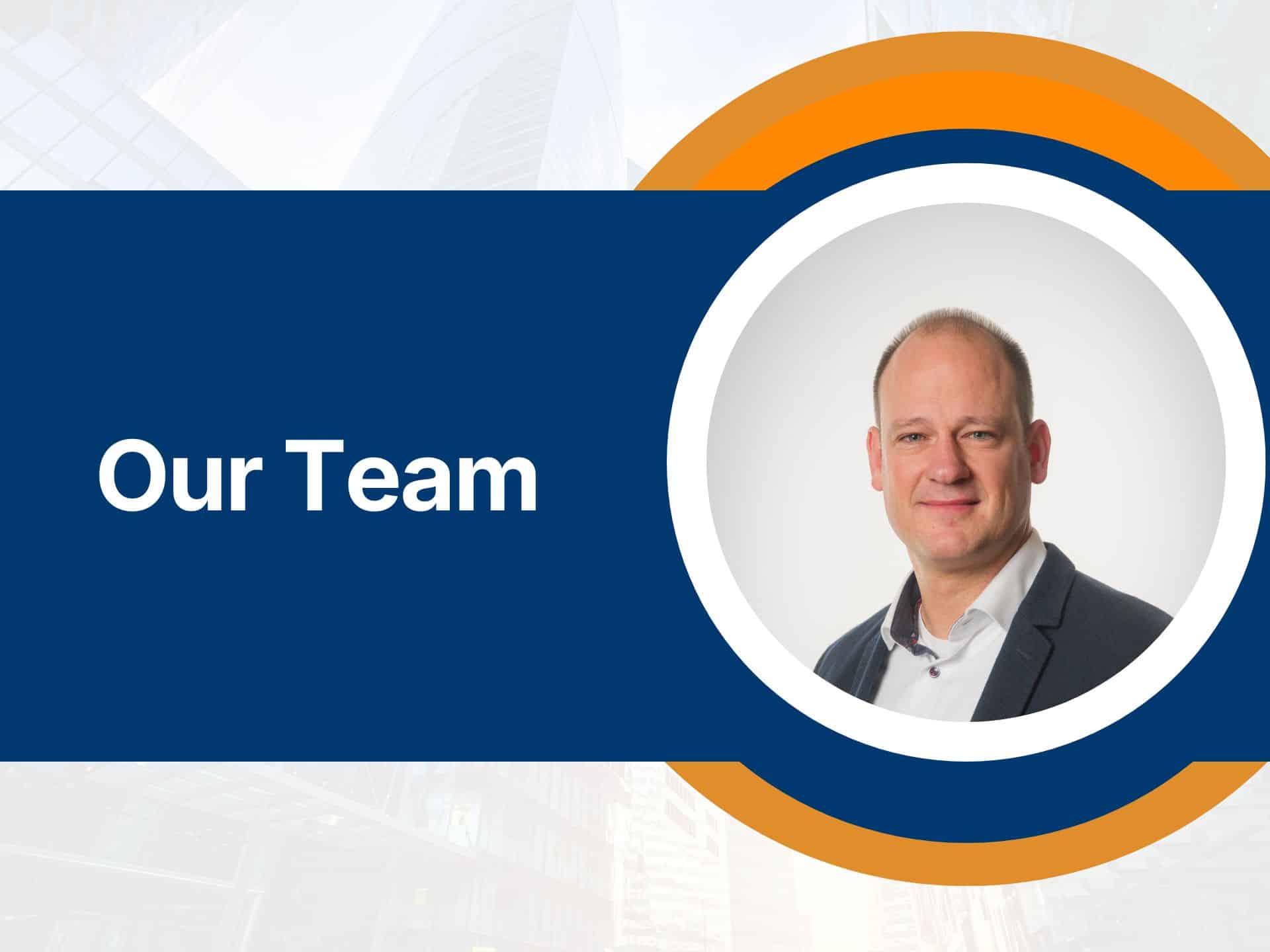
Centida's team is deliberately assembled across both. Roughly half come from a strong mathematical or technical background; the other half from business and finance. Christian Barte's argument is that the combination is the actual differentiator, not either half on its own. A client gets the technology side, the tool integration, and the finance side, the part that knows how to bring people through a change in how a company is steered, from the same place.
There's a second distinction underneath that one, and it's the one he returns to most often. The people at Centida haven't only advised from the outside. They've worked as responsible line managers, up to C-level, inside real companies. They know what it feels like to be the person accountable for the number rather than the person recommending how to improve it.
That's what he means when he says they've sat on both sides of the table. It's the difference between knowing what works in theory and knowing what survives contact with a real organisation, with its constraints, its politics, and its limited time.